A cavity or chipped tooth can make eating uncomfortable and smiling stressful. The good news?
Most tooth fillings can be completed in just one visit, helping you feel comfortable and confident again.
At Brighter Smiles Family Dentistry in West Des Moines, Dr. Fulton focuses on restoring your tooth while keeping as much healthy structure as possible.
What to expect from your tooth filling:
Natural-looking, tooth-colored composite material
Strong, durable repair for everyday use
A conservative approach that protects your tooth
Gentle care focused on your comfort
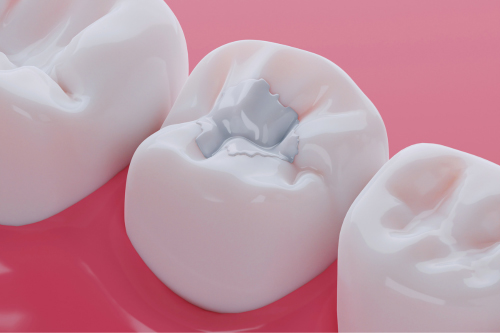
Silver amalgam fillings may still be used in select cases, such as certain back teeth or baby teeth, but composite resin is the preferred option for most patients.
Why Choose Composite Tooth Fillings?
Composite tooth fillings are the preferred choice for many patients because they restore your tooth without sacrificing appearance or strength.
Benefits of composite fillings at Brighter Smiles Family Dentistry:
Virtually invisible – Matched to the natural shade of your enamel
Strong and durable – Designed to handle everyday chewing
Conservative and safe – Bonds directly to the tooth, preserving more healthy structure
Completed in one visit – Efficient treatment with long-lasting results
Composite resin is made from a durable blend of plastic and glass, allowing us to repair cavities and minor damage in a way that looks natural and supports long-term oral health.
👉 Not sure if a filling is enough? Deeper decay may require root canal treatment, while early cavities are often caught during routine dental exams and cleanings.
Schedule an appointment to find out which treatment is right for your tooth.
What to Expect During Your Tooth Filling
We know that dental treatment—even routine care—can bring up questions or concerns.
That’s why we take time to explain each step of your tooth filling, so you know what to expect and can feel comfortable throughout your visit.
Here’s how your tooth filling appointment typically works:
- 1
Gentle numbing for comfort
We carefully numb the area around your tooth so you stay comfortable during the procedure. Most patients feel pressure, not pain.
- 2
Cleaning and preparation
Any decayed or damaged material is removed, and the tooth is cleaned to create a strong foundation for the filling.
- 3
Added protection when needed
If decay is close to the nerve, a protective layer may be placed to help support the tooth and reduce sensitivity.
- 4
Filling, shaping, and polishing
The composite material is carefully placed and refined to blend naturally with your tooth and allow for a comfortable bite.
- 5
Aftercare guidance before you leave
We’ll review simple aftercare tips and let you know what sensations are normal as the numbness wears off.
Most tooth fillings are completed in under an hour, and you can usually return to your normal routine the same day.
👉 If decay is more extensive than expected, we’ll discuss next steps, such as root canal treatment, before proceeding.
Schedule a visit so we can evaluate your tooth and restore it comfortably.
Tooth Filling Questions Answered: What You Should Know
Tooth fillings are generally not painful, thanks to modern numbing techniques and gentle treatment methods.
Before the procedure begins, the area around the tooth is numbed so you remain comfortable throughout your visit.
Most patients report feeling:
- Pressure or vibration during the procedure
- Little to no pain while the filling is being placed
If you’re feeling anxious, let our team know—we’re happy to explain each step and adjust your care to keep you at ease.
During the filling, you should not feel pain once the tooth is numb.
Once the numbness fades, it’s normal to experience brief sensitivity or mild soreness, which typically resolves on its own.
You may notice:
- Sensitivity to hot or cold
- Minor tenderness when biting
These symptoms typically improve within a few days. If discomfort lasts longer or worsens, it’s important to contact our office so we can evaluate the tooth.
Numbness usually lasts 2 to 4 hours after your appointment, depending on the type of anesthetic used and your body’s response.
During this time:
- Avoid chewing on the numb side
- Be cautious with hot foods or drinks
Once the numbness fades, normal sensation should return gradually.
Yes, temporary sensitivity is normal after a tooth filling—especially with composite (tooth-colored) materials.
Sensitivity may occur when:
- Eating hot, cold, or sweet foods
- Biting down for the first few days
This happens as the tooth adjusts to the new restoration and usually resolves on its own. Persistent or sharp pain should be checked to ensure the bite is balanced correctly.
Most tooth filling appointments take 30 to 60 minutes, depending on:
- The size of the cavity
- The location of the tooth
- Whether additional protective steps are needed
Most patients find the appointment to be simple, efficient, and easier than expected.
For composite fillings, you can typically eat once the numbness wears off.
However, it’s best to start with softer foods and avoid extreme temperatures for the rest of the day.
Tips after your filling:
- Stick to softer foods and avoid anything overly hard or chewy for the rest of the day
- Chew on the opposite side if possible
This helps protect the new filling as your tooth settles.
Yes. Most patients return to work, school, or daily activities the same day. Tooth fillings generally require little to no downtime.
You may want to wait until numbness wears off before eating or speaking extensively, but otherwise, normal routines can usually resume right away.
Composite fillings use a strong, tooth-colored material made from a resin base reinforced with fine glass components.
This material allows the filling to bond directly to the tooth while matching the natural color of your enamel.
Benefits of composite fillings include:
- Natural appearance
- Strong, flexible bonding
- Conservative tooth preservation
They are commonly used for both front and back teeth.
For many patients, composite fillings are the preferred option because they look natural and require less removal of healthy tooth structure.
Compared to silver amalgam:
- Composite blends with your tooth color
- Amalgam may be stronger for certain back teeth in select cases
The right filling option depends on factors like the condition of the tooth, your bite, and your overall oral health, which your dentist will carefully evaluate.
Composite fillings often remain effective for many years and may last even longer when supported by good oral hygiene and regular dental care.
Their lifespan depends on:
- Oral hygiene habits
- Bite pressure and grinding
- Regular dental checkups
Routine exams allow us to monitor fillings and address wear early.
The price of a tooth filling isn’t one-size-fits-all and can vary based on several individual factors, including:
- Size of the cavity
- Tooth location
- Type of filling material used
Most fillings fall within a predictable range, and we provide cost estimates before treatment.
We’re always available to explain your options and make sure you feel confident before moving forward.
Many dental insurance plans help offset the cost of tooth fillings, particularly when the treatment is required to address active tooth decay.
Coverage often depends on:
- Your specific insurance plan
- Whether the filling is composite or amalgam
- Annual benefit limits
Our office can help verify your benefits and explain your coverage before treatment.
If your bite doesn’t feel balanced or comfortable after a filling, please let us know.
A filling that feels “too high” can usually be adjusted quickly and comfortably.
Ignoring bite issues may lead to:
- Jaw discomfort
- Tooth sensitivity
- Excessive wear
We’re always happy to make small adjustments to ensure your comfort.
If decay reaches close to the tooth’s nerve, a standard filling may not be enough.
In these cases, additional treatment—such as a protective liner or root canal therapy—may be recommended.
We’ll always:
- Explain what we find
- Discuss your options clearly
- Proceed only with your consent
Our focus is on preserving your natural tooth whenever treatment allows.
Preventing cavities starts with consistent daily care and regular dental visits.
Best practices include:
- Brushing twice daily with fluoride toothpaste
- Flossing every day
- Limiting sugary snacks and drinks
- Scheduling routine dental exams and cleanings
Early detection allows small issues to be treated before they become larger problems.